1939–1946
Prisoner of War Camp
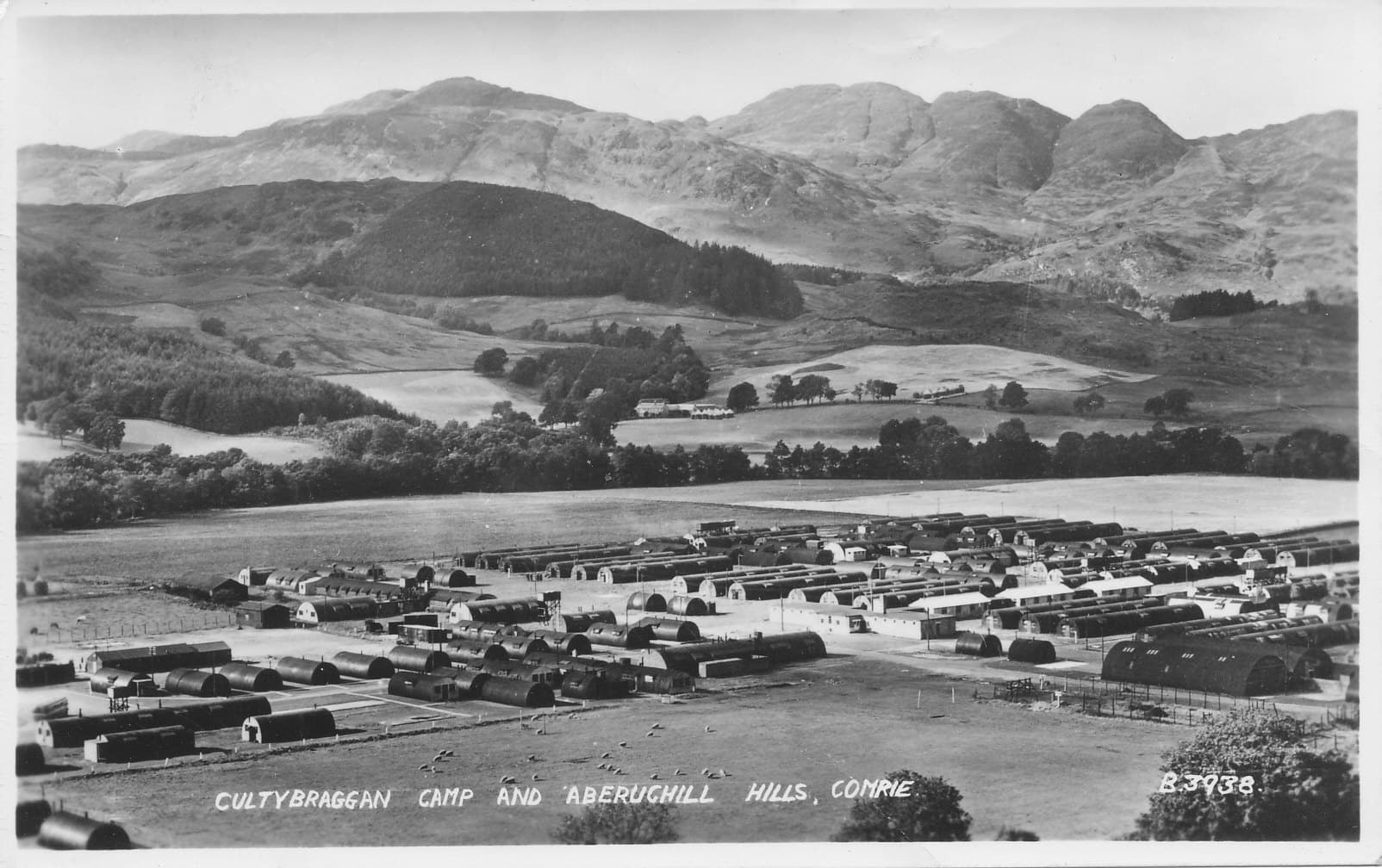
Built at the outset of WWII, Camp 21 held German and Italian prisoners of war — including SS officers. At its peak, more than 4,500 men were held here. The 70 Nissen huts they lived in still stand today.
The people who passed through here.
Cultybraggan Camp was built in 1939 on the edge of Comrie. Its first prisoner was a British soldier. Within two years it was holding thousands of men captured in North Africa and Europe — members of the Afrika Korps who arrived by train from the Channel ports, SS officers among them.
At its peak, more than 4,500 prisoners of war passed through. Camp 21, as it was officially designated, became one of the UK's detention centres for hardened Nazis. In November 1943 a prisoner named Wolfgang Rosterg — accused of cooperating with the British — was murdered by fellow inmates in what amounted to a fanatical show trial inside the wire.
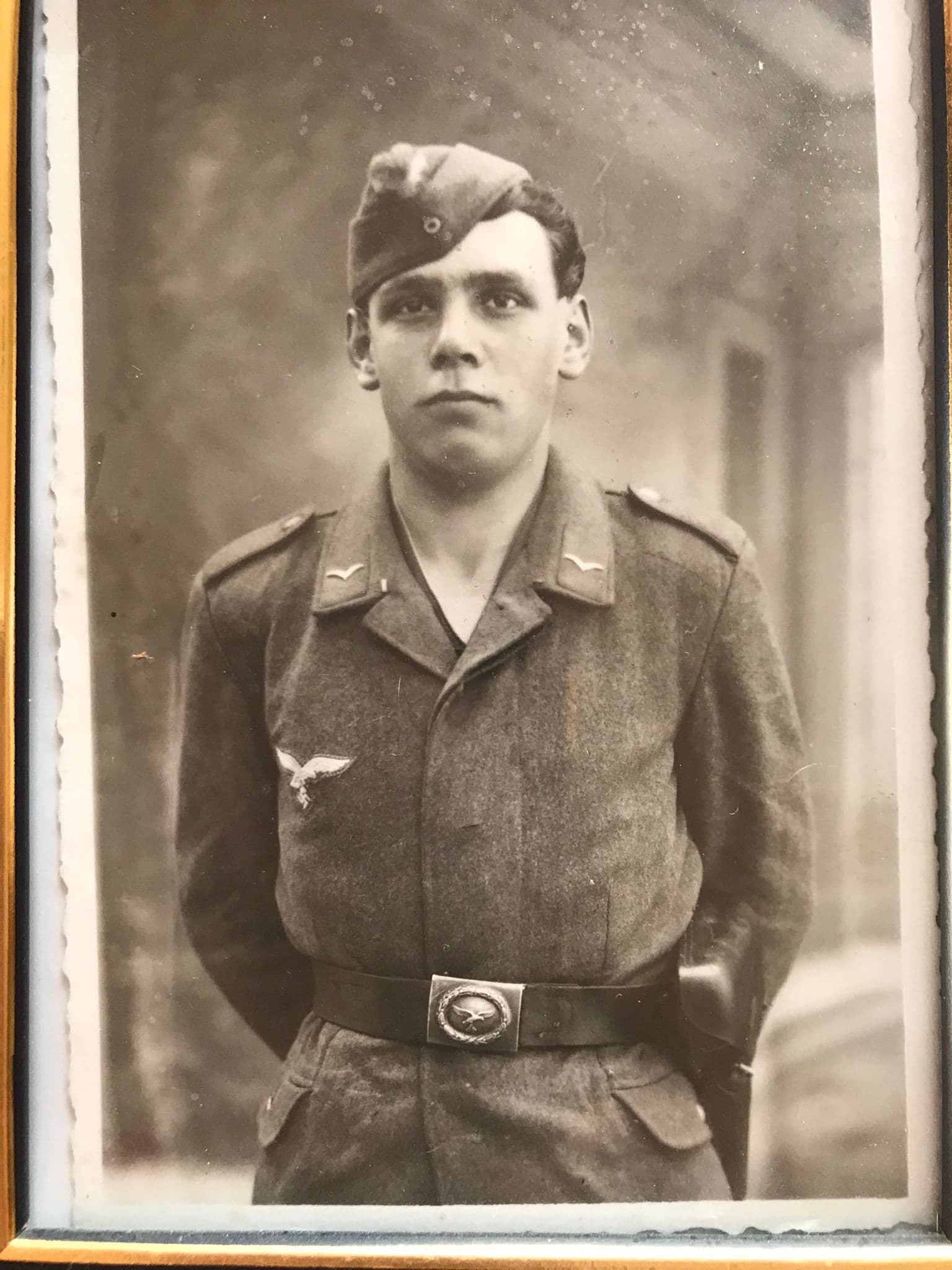
There was also a re-education programme. Lectures. Hot debates. Some men left changed. At least one never forgot Comrie at all. Heinrich Steinmeyer, a German prisoner interned here during the war, left his entire estate to the people of the village when he died decades later — because, he said, the Scots had treated him as a human being.
The camp remained in use long after the war. In the 1960s it was a National Service posting. One NAAFI driver recalled arriving to find German writing still on his Nissen hut door from the war years. Later it housed a Cold War civil defence bunker, and Combined Cadet Forces used the site into the 1970s.
In 2007 the community of Comrie bought the camp from the Ministry of Defence. Most of the original structures are still standing. The stories are still here too.
Built at the outset of WWII, Camp 21 held German and Italian prisoners of war — including SS officers. At its peak, more than 4,500 men were held here. The 70 Nissen huts they lived in still stand today.
After the war the camp served various purposes — army surplus storage, a chicken farm, industrial units. For decades the huts stood neglected, slowly weathering into the Perthshire landscape.
On 20 September 2007, the community of Comrie voted 97% in favour of buying the 100-acre estate for £350,000, creating Comrie Development Trust and returning the camp to the people.
Today Cultybraggan is home to self-catering huts, a museum, community facilities, and a working estate — owned and run entirely by the people of Comrie. The stories are still here.
Then & Now
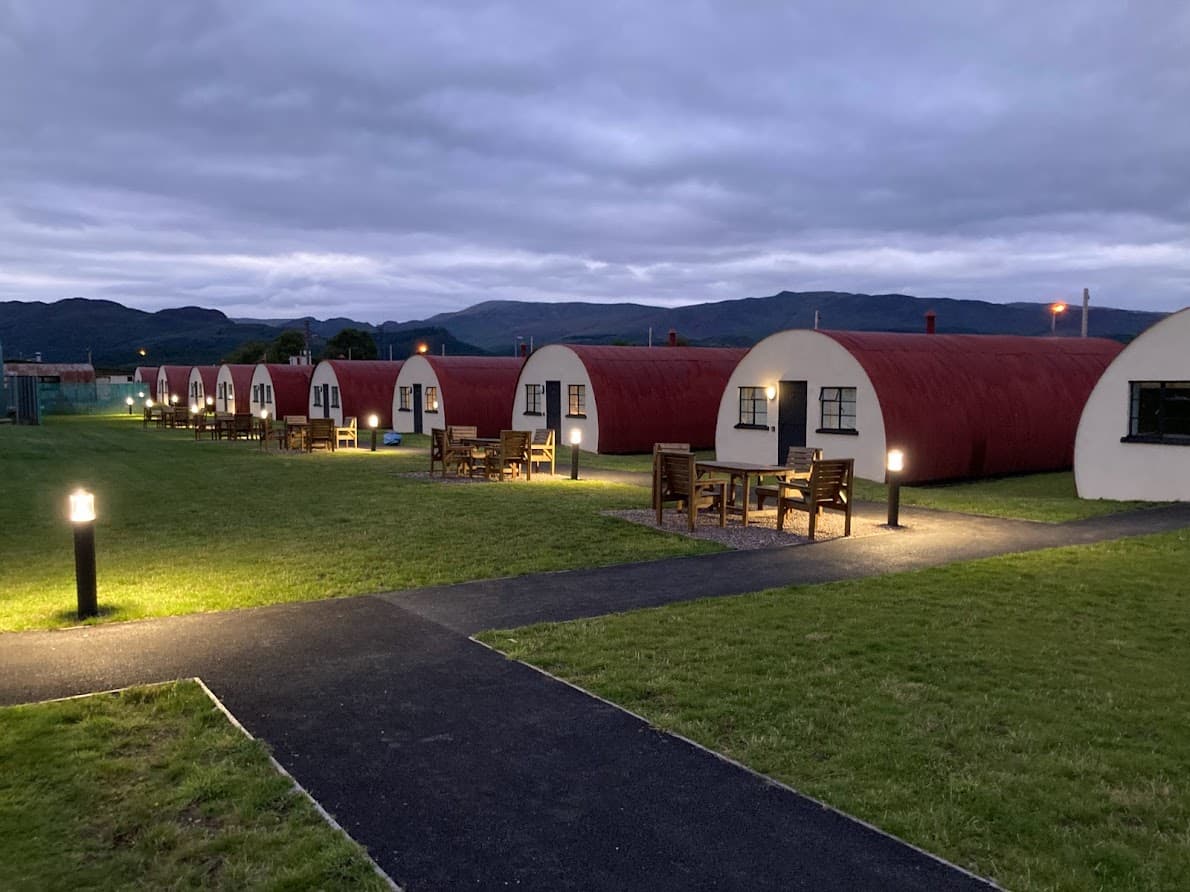
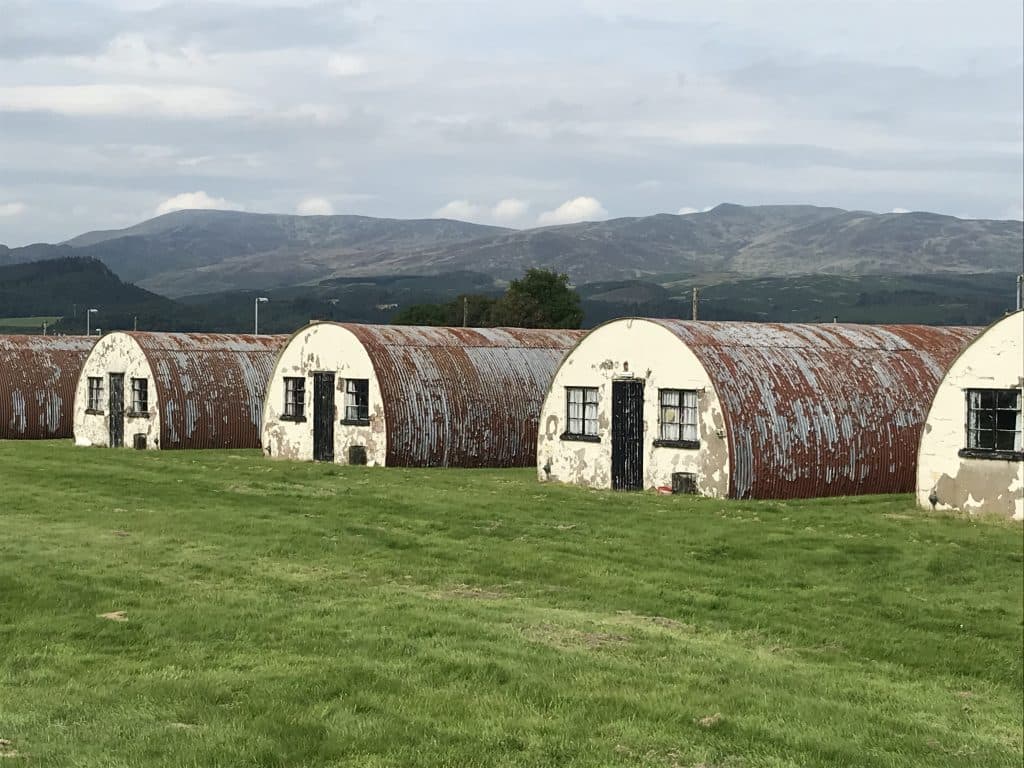
From wartime camp to community-owned self-catering estate.
The Wartime Years — 1939–1946
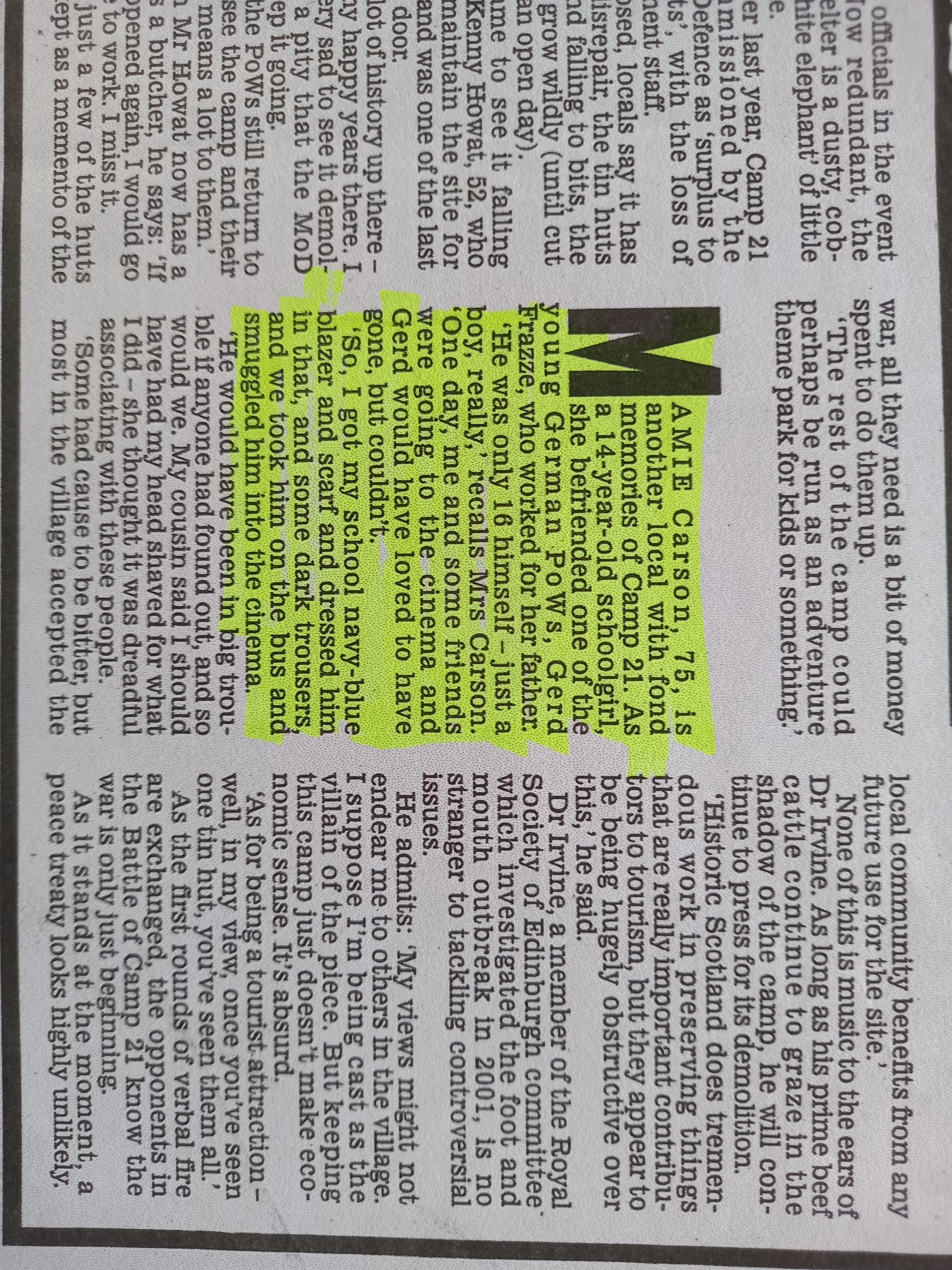
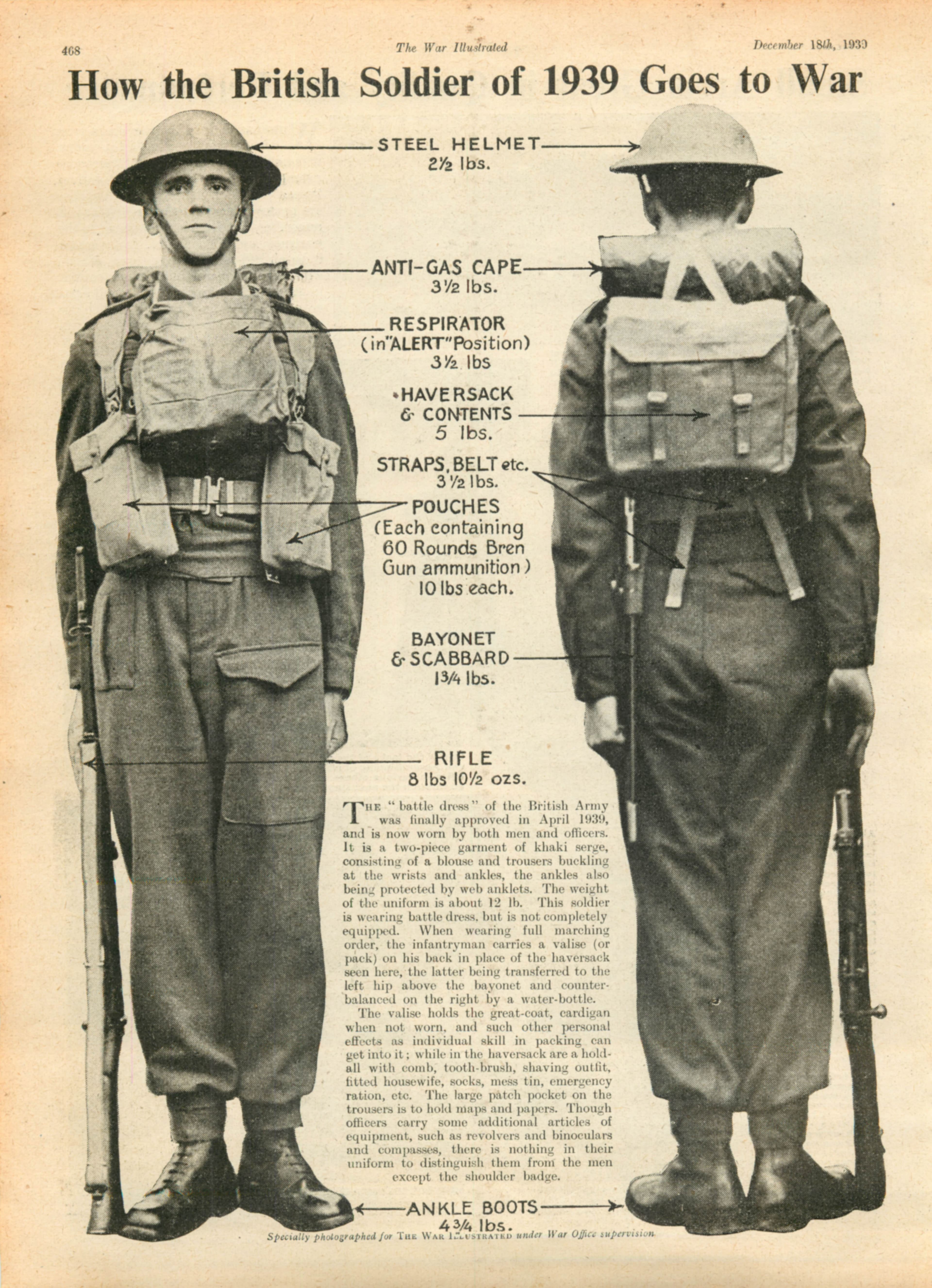
One prisoner never forgot Cultybraggan. Read the Heinrich Steinmeyer exhibit →
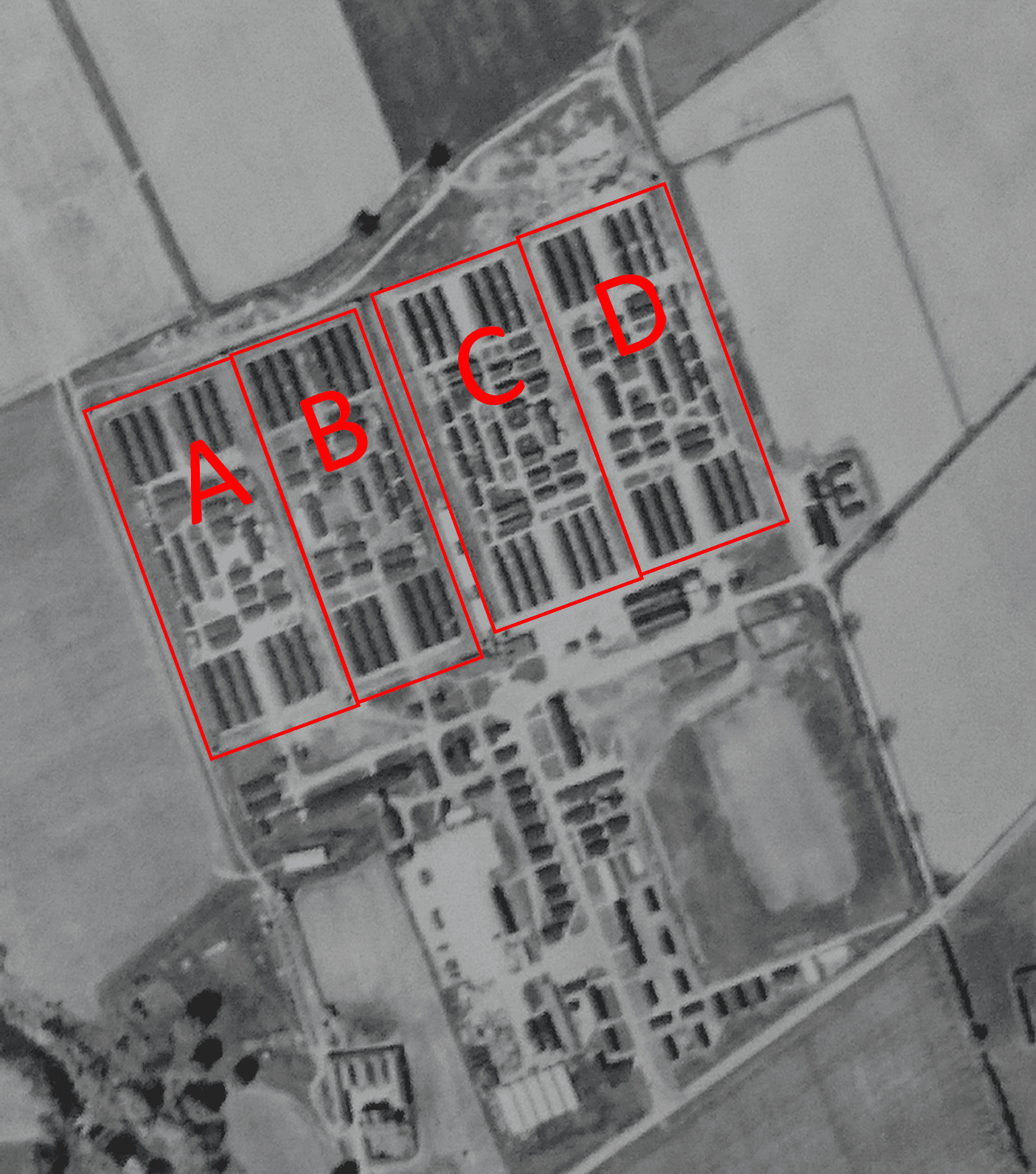
The full extent
Control & Record
Cold War — a different kind of threat
.jpg&w=3840&q=75)
Primary Source
Camp 21, Cultybraggan, Perthshire — established by the War Department under the authority of the Geneva Convention (1929) for the internment of prisoners of war. The camp was designated for the holding of Category A prisoners: those considered security risks or who had engaged in acts of resistance.
All prisoners were afforded the protections of the Geneva Convention. They were entitled to adequate food, shelter, and medical care. Correspondence was subject to censorship. Officers were not required to work; other ranks could be employed on suitable tasks approved by the Commandant.
The camp housed Italian prisoners from 1941 and German prisoners from 1944. At its peak, more than 4,500 men were held here. The 70 Nissen huts constructed for their internment remain standing today — the largest intact collection in Scotland.
The museum is housed in the Grade A listed brick building that served, at various times, as the guard house and detention block, stores and armoury. Inside you can see the original cell doors — known as "slammers" — handle military objects, listen to recorded voices from the camp's past, and see crafts made by prisoners of war during their internment.
Next door, a Nissen hut has been recreated to show what life at the camp looked like from two perspectives: as a prisoner of war, and as a British squaddie posted here. The 66 cartoons drawn by a German prisoner in 1944–45 are displayed alongside personal accounts and artefacts recovered from the site.
The volunteers who research, maintain, and tell the story of this place.
Team details coming soon.